
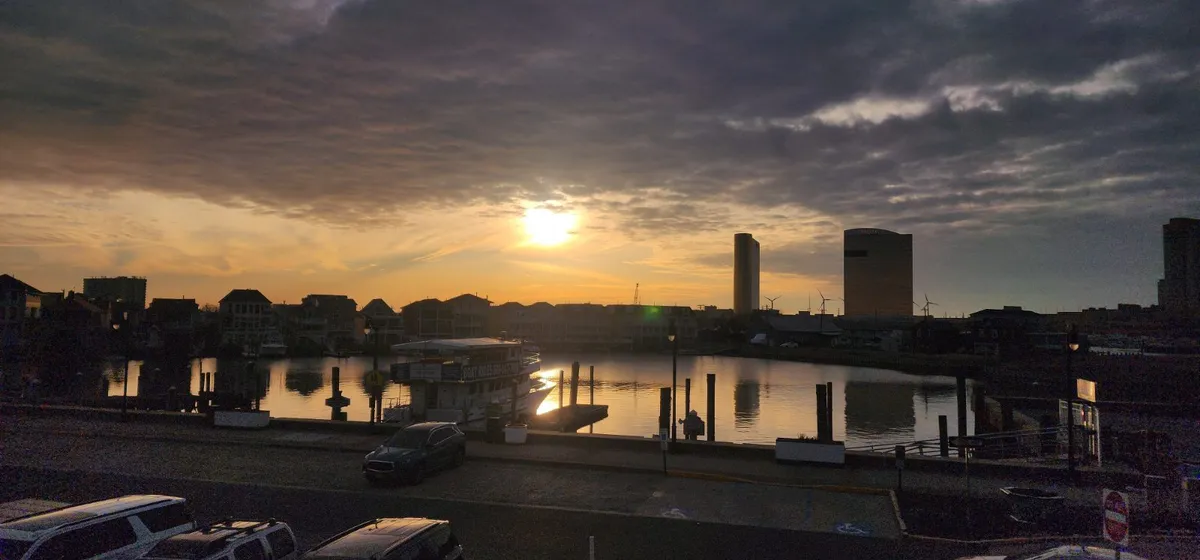
Atlantic City has been written off and rediscovered so many times that locals have developed a healthy skepticism toward any headline that announces either its death or its revival.
The reality has always been more textured than the headlines.
For homeowners in Atlantic City — whether they're weighing a sale, thinking about a renovation, or just trying to understand what their property is actually worth — the economic picture matters. And that picture is more than just whether a particular casino is open.
Casino Revenue as a Leading Indicator
Casino revenue is the easiest metric to find and the most discussed. But it's most useful as a leading indicator — a signal for what other economic forces might follow — rather than a direct cause of property values.
When casino revenues are healthy, several things tend to happen in sequence: employment in the hospitality and gaming sector stabilizes or grows, spending in the local economy increases, and confidence among commercial and residential investors improves. That confidence shows up, eventually, in development activity and property values.
The reverse is also true. Revenue contractions signal pressure on the employment base, which shows up in residential vacancy, reduced buyer pool, and pricing softness.
Rowan University's South Jersey Economic Outlook tracks these dynamics at a regional level. The 2026 edition shows a local economy that remains heavily anchored to gaming and hospitality, with emerging diversification through healthcare, education, and smaller-scale commercial development.
The Casino Reinvestment Development Authority
The CRDA — Casino Reinvestment Development Authority — is the mechanism through which casino revenue is channeled into non-gaming development in Atlantic City.
This is worth understanding for homeowners because CRDA-funded projects are the clearest signal of where organized capital is flowing inside the city. Projects funded through CRDA have included:
- Neighborhood infrastructure improvements
- Commercial corridor redevelopment
- Affordable housing initiatives
- Cultural and educational facilities
When CRDA investment concentrates in a specific district or corridor, property values in adjacent areas tend to respond. The 1st Ward redevelopment activity and the Chelsea and Orange Loop revitalization efforts have both reflected CRDA involvement.
Understanding where CRDA is investing isn't insider knowledge — it's public information that homeowners in Atlantic City can use to contextualize what's happening in their specific neighborhood.
The Clean and Safe Initiative
Atlantic City's Clean and Safe program represents a different type of investment — focused specifically on cleanliness, safety perception, and basic maintenance of commercial and public spaces.
The practical effect on residential real estate is indirect but real. Buyer perception of a neighborhood's trajectory is heavily influenced by what they observe on the street level. Areas where the Clean and Safe program has been most active have seen documented improvement in that perception, which translates to buyer pool depth and, over time, pricing.
For homeowners considering a sale in neighborhoods where the program is operating, understanding this dynamic adds context to how a property might be presented and what kind of buyer activity to expect.
The Employment Multiplier Effect
Gaming and hospitality employment in Atlantic City doesn't exist in a vacuum. The sector creates a multiplier: gaming employees spend money at local businesses, which employ other local residents, who pay rent and buy homes in Atlantic County.
When that employment base contracts — as it did during the mid-2010s casino closures — the ripple through the residential market is significant. When it stabilizes or grows, the ripple works in the other direction.
The 2026 workforce and unemployment picture in Atlantic County shows improvement from the trough years, with some continued volatility. The hospitality sector remains the largest private employer in the county.
For homeowners, the employment picture matters most as a signal of who the buyer pool is. A market with a stable employment base produces more buyers who qualify for conventional financing. A market under employment pressure produces fewer of those buyers and increases the relative share of cash or investor-backed transactions.
How This Connects to Property Values
Putting these pieces together: Atlantic City property values are shaped by a set of local forces that don't respond the same way national real estate trends do.
A national "seller's market" doesn't automatically translate to Atlantic City if casino employment is soft. A national "buyer's market" doesn't automatically depress AC values if CRDA development is creating positive momentum in a specific corridor.
The state's economic development incentives — administered through the NJ Economic Development Authority — also create specific attractors for commercial investment in Atlantic City that can signal neighborhood trajectory for homeowners paying attention.
The homeowner who understands these local forces is better positioned to make timing decisions, evaluate offers, and explain their property's value in context — rather than simply reacting to national headlines that may not describe what's happening on their block.
The University Dimension
One of the most significant long-term economic developments in Atlantic City is the Stockton University Atlantic City campus. We explore this separately in our piece on what the Stockton expansion means for local real estate — but it's worth naming here as a structural diversification of the local economy that creates demand for housing and commercial activity independent of the casino cycle.
When a city's economic anchor is singular — one industry, one employer type — the volatility in that anchor transfers directly to property values. Diversification reduces that volatility. The university, along with healthcare expansion and smaller commercial growth, is the most credible signal that Atlantic City's economy is gradually becoming less exclusively casino-dependent.
Island Investors NJ
Real situations. Honest conversations.
📞 (609) 800-4303 · islandinvestorsnj.com